
Custom GFRC Elements
If it can be drawn, it can be cast. MIRU makes custom GFRC elements from the drawings architects actually issue: pyramid-relief panels, double-curved shikhars, embossed column shells, jaali screens, traditional Rajasthani ornament. Every commission starts the same way — your DWG or GFC set is rebuilt as an exact 3D model before any mold work begins.
That model drives the molds. Where a profile is ornamental, perforated or tight, the mold is CNC-machined in-house, so the last cast carries the same detail as the first. Ornament that once needed a carver's yard becomes a repeatable production run — the one-off becomes a family.
The roster is the proof: 220 element families in production, each with its own mold set, from 6 families of Rajasthani ornament at Rajasthan Bhawan to 72 families of shikhar and facade geometry at Mirzapur University. The method does not change with the shape.
What we deliver
Ornamental GRC panels and screens.
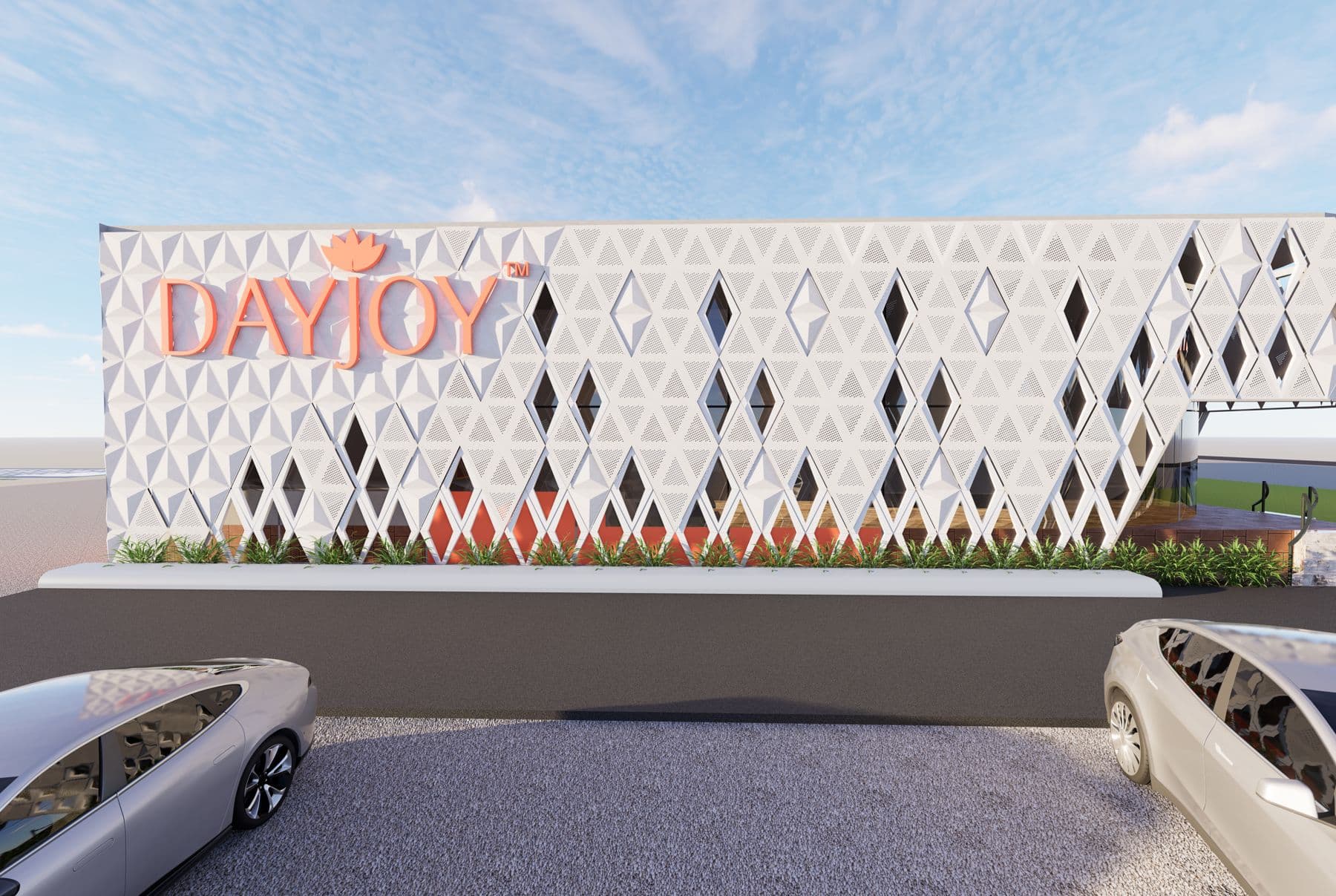
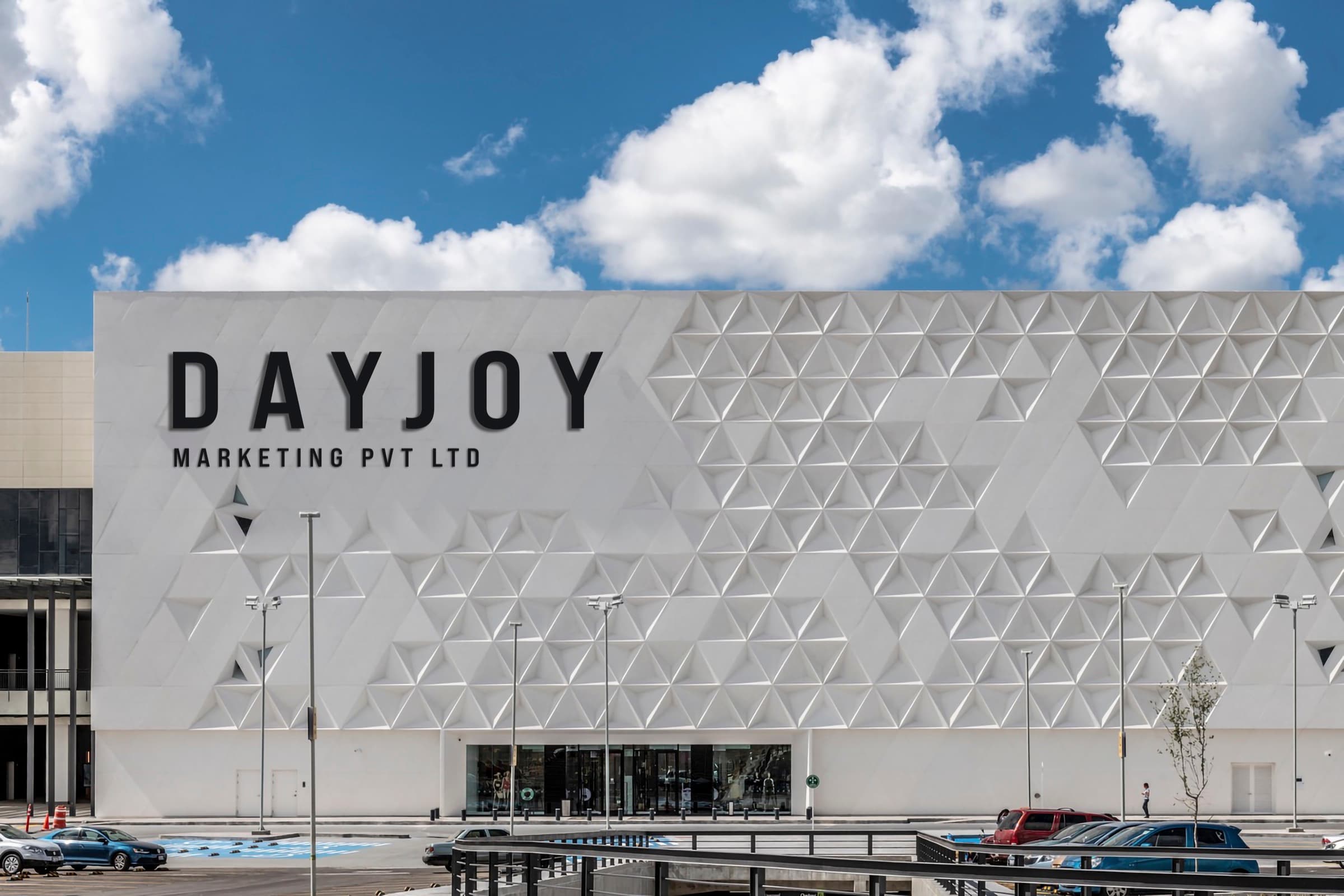
Relief panels, perforated jaalis and patterned facade work cast from CNC-machined molds — the pyramid-relief panels at Dayjoy came through this route.
Double-curved and sculptural forms.
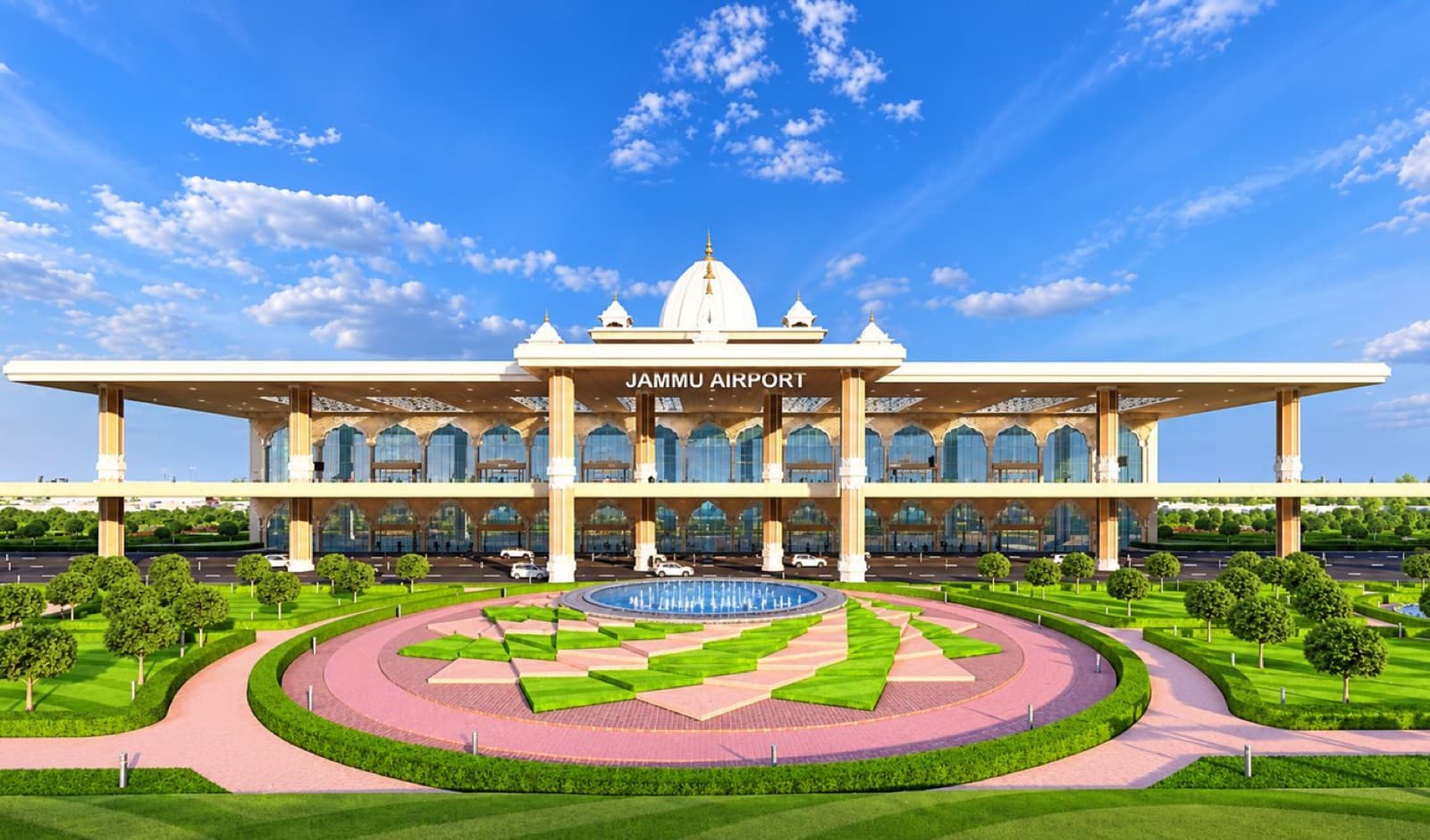
Shikhars, domes and compound-curve shells modelled in 3D and cast as repeatable families — 42 element families at Jammu airport, 72 at Mirzapur University.
Custom GFRC column shells and cornices.
Embossed column shells, capitals and running profiles cast as light shells that wrap new or existing structure.
Traditional ornament, drawn and repeated.
Rajasthan Bhawan's Rajasthani ornament runs to 6 element families and 274 pieces — carved-style detail delivered as a logged production run.
CNC mold GFRC from your drawings.
Where a profile is ornamental, perforated or tight, the mold is machined, not hand-built. The geometry on the cast is the geometry in your issued set.
Tested material, not assumed.
No-polymer spray-up GFRC with AR-glass fibre from Nippon Electric Glass and Owens Corning, flexural-tested in-house to ASTM C947 against MOR 12 N/mm² and LOP 6 N/mm².
Logged production.
Every casting session, mix batch and QC check is recorded in the digital production system — 1,230+ mix batches logged to date.
Tracked, itemised dispatch.
Elements leave in numbered lots with installer drawings, so site teams place each piece against its drawing, not by guesswork.
From your drawings to installed elements
A custom element starts as your issued drawing. The DWG or GFC set is rebuilt as an exact 3D model — every junction, relief and perforation resolved digitally before any mold work. The model splits the scope into element families; each family gets its own engineered mold set, CNC-machined wherever the profile is ornamental, perforated or tight.
Casting is no-polymer spray-up with AR-glass fibre, and the in-house lab pulls flexural coupons tested to ASTM C947 against acceptance targets of MOR 12 N/mm² and LOP 6 N/mm². Every session, batch and check is logged, and finished elements dispatch in tracked, itemised lots with installer drawings keyed back to the model.
Built at MIRU
The factory, measured.
from our production system, July 2026Questions
Can you make custom GFRC elements from our drawings?
Yes — that is the standing method, not a special service. Your issued DWG or GFC set is rebuilt as an exact 3D model before any mold work starts, and ambiguities are raised against the drawing rather than discovered on site. If it can be drawn, it can be modelled, molded and cast: the roster already includes double-curved shikhars, perforated screens and carved-style Rajasthani ornament.
How do custom elements fix to the structure?
Fixing is resolved at the model stage, not on site. Each element carries cast-in anchors or fixing points positioned in the 3D model, and every dispatch includes installer drawings showing how each piece hangs off the structure or subframe. Because the model is exact, fixing positions on the cast match the drawing — the installer works from the same geometry the mold was machined from.
What finish options are available?
Finish comes off the mold face. CNC-machined molds carry relief, texture and perforation directly, so ornament is cast in rather than applied afterwards. Mixes can be pigmented through the body, and surfaces left smooth, textured or lightly worked after demolding. Finish samples are cast and approved against the model before the production run begins.
Why GFRC for ornamental work instead of stone or precast concrete?
GFRC casts thin relative to precast, so ornament that would be dead weight in stone or conventional concrete becomes a light shell hung off standard structure. A CNC-machined mold reproduces carved detail identically on every cast — stone can only do that piece by piece. And every MIRU cast is backed by flexural testing to ASTM C947 against internal targets of MOR 12 N/mm² and LOP 6 N/mm².
How does supply work for a large run of repeating ornament?
Elements are grouped into families, each with its own mold set — 220 families are in production now across 8 live projects. The digital production system logs every casting session, mix batch and QC check, and elements leave the factory in tracked, itemised lots keyed to installer drawings, so site teams call off and place work in sequence rather than sorting an undifferentiated stack.
Have a facade on the drawing board?
Send the drawings. We reply with an element breakdown, a mold plan and a production timeline.
Start a project